Tips for Making Quality Home Additions
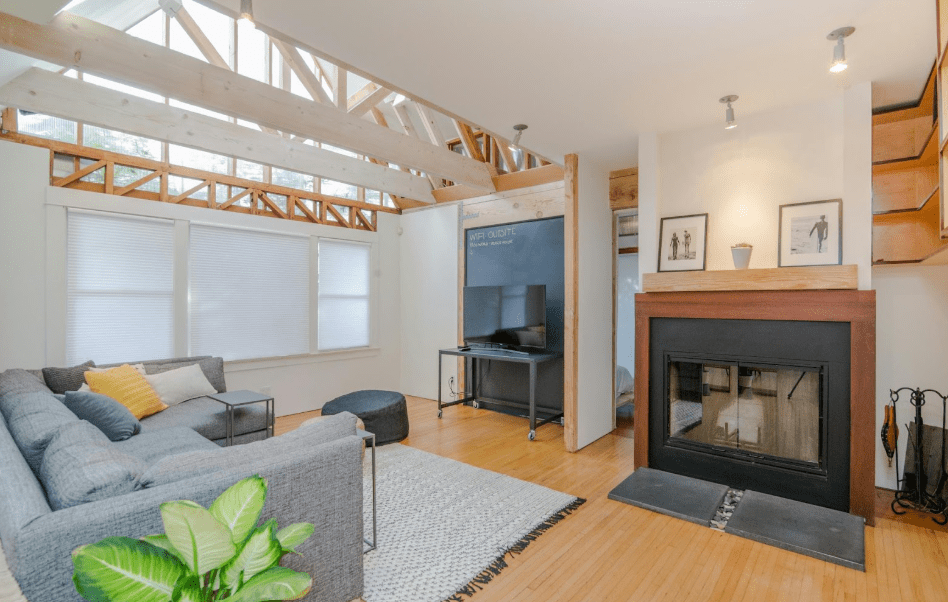
Home additions are an excellent way to increase the value and functionality of your property. Whether you're looking to expand your kitchen, add a second story, or create a luxurious master suite, careful planning and execution are essential for a successful outcome. Understanding the various stages and considerations involved is crucial in ensuring that your home addition blends seamlessly with your existing structure and meets your family's needs. Keep reading for expert advice on planning and executing a home addition that not only meets but also exceeds your expectations.
Hiring Reputable Contractors: A Guide to Finding the Best for Your Project

One of the most significant decisions you'll make in your home addition project is selecting the right contractor. A reputable contractor will bring expertise, skilled craftsmanship, and peace of mind to your endeavor. Start by gathering referrals from friends and family or reading online reviews to create a list of potential candidates. Confirm that they are licensed, insured, and have a solid track record with similar projects.
Once you've shortlisted a few contractors, request bids and detailed project proposals. This will help you compare costs, timelines, and the scope of work each contractor plans to deliver. Look beyond the price and consider the value each contractor brings to the table, including their communication style, the quality of materials they use, and their warranty offers.
Don't hesitate to ask contractors for references and even examples of past work. Visiting completed projects similar to your planned addition can provide insights into the meticulousness of their craftsmanship and the overall satisfaction of their clients. A Northeast Ohio Home Addition expert, for example, will have a portfolio demonstrating their ability to handle regional architectural styles and climate considerations.
Importance of a Well-Designed Architectural Plan in Home Expansion
An architectural plan serves as a blueprint for your home addition, detailing every aspect of the project from the foundation to the roof. A well-designed plan not only ensures that the final product meets your vision but also serves as a critical communication tool between homeowners, contractors, designers, and any other stakeholders. The clarity provided by a detailed plan helps prevent misunderstandings and costly changes once construction begins.
Furthermore, a carefully thought-out architectural plan contributes to the effective use of space and resources. It involves considering how the addition will affect the flow of your home, the location of windows for optimal natural light, and the integration of the new structure with existing mechanical systems. Such strategic planning is key to creating a functional and attractive space.
Professional architects possess the expertise to foresee potential problems and address them proactively in the design phase. They can also provide creative solutions to maximize the efficiency and aesthetics of the addition.
Selecting Quality Materials for Long-Lasting Home Additions
Choosing the right materials is crucial for ensuring the durability and aesthetic appeal of your home addition. Quality materials can withstand wear and tear, maintain their appearance over time, and offer better insulation, which can reduce energy costs. Often, selecting materials that match or complement the existing structure can also help with the cohesion of old and new construction.
When it comes to materials, it's important to strike a balance between cost and quality. While it may be tempting to cut corners to save on initial expenses, low-quality materials can lead to higher maintenance and replacement costs in the future. Investing in superior materials from the start can enhance the value of your home and reduce the need for costly repairs.
Integrating New Additions Into Existing Home Aesthetics and Functionality
A seamless integration of your new addition into the existing home is pivotal for both aesthetics and functionality. A well-executed addition should look and feel like a natural extension of your home rather than an afterthought. This requires careful planning in terms of architectural style, proportions, and materials. Consistency in exterior finishes and roofing can vastly improve the visual harmony between the old and new structures.
Inside the home, the transition between the original and new spaces should appear effortless. Flooring, trim work, and door styles can all be matched or selected to complement the existing décor, creating a unified interior. Consideration of functional flow is also important; the layout should encourage easy access between rooms, enhancing the overall livability of your home.
Altogether, a well-planned home addition can significantly enhance your living space and boost your property's value. Ensuring legal compliance, designing smartly, picking durable materials, working with seasoned professionals, and integrating new structures meticulously are all part of this complex yet rewarding process. Overall, investing time and resources into these critical aspects will ensure that your home addition is a success, contributing to the beauty, functionality, and enjoyment of your home for years to come.