Understanding the casino world: from basics to modern forms
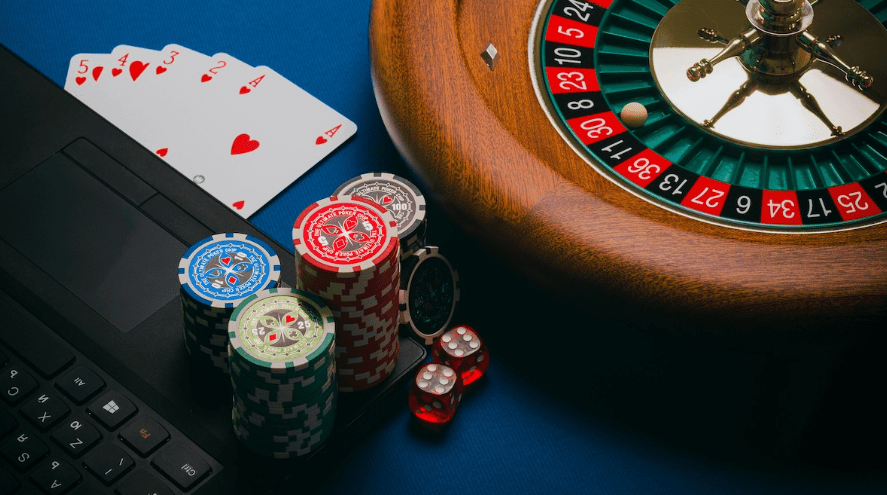
The essence of casino entertainment
Defining what makes a casino: gambling venues through history
Throughout human history, the appeal of risk and reward has manifested in various forms of entertainment involving chance. Ancient civilizations, from Mesopotamia to China, developed rudimentary betting activities, ranging from dice tossing to animal-based competitions. These early manifestations laid the foundation for what we recognize today as casinos.
In 17th-century Venice, the establishment of the Ridotto marked one of the earliest formalized gambling houses. Over time, exclusive gaming parlors gradually opened their doors to a broader audience. In the 20th century, the concept evolved into large-scale entertainment destinations, particularly in places like Las Vegas. Eventually, other regions—especially Macau—surpassed Las Vegas in profitability, turning gambling into a multi-billion-dollar global business. Many platforms, including Slot Gacor, illustrate the evolution of digital formats that cater to modern users.
Core elements: chance versus skill
The heart of casino entertainment lies in its variety. Traditional offerings typically fall into two categories: activities relying on luck and those that reward decision-making and expertise. Options like slot reels or roulette are governed by randomness, creating suspense with each spin or roll. On the other hand, experiences like poker or blackjack offer strategic depth, challenging participants to calculate odds, read opponents, and manage resources.
How casinos thrive
Behind the spectacle and glamour lies a carefully constructed system. Every activity is designed with a mathematical edge favoring the operator—commonly referred to as the house advantage. While individual patrons might enjoy substantial short-term returns, the business remains profitable due to the long-term statistical tilt. Additionally, income streams come not only from gambling itself but also from accommodations, food, performances, and branded merchandise.
Psychological appeal: why casinos fascinate people
The thrill of unpredictability
Few sensations compare to the surge of adrenaline when placing a high-stakes bet or waiting for a decisive outcome. Risk-taking triggers dopamine in the brain, creating a euphoric sensation associated with excitement and anticipation. For some, this rush becomes a major part of the entertainment value, elevating the entire experience beyond mere pastime.
Human interaction and atmosphere
Unlike many solitary activities, gambling—especially in physical venues—is inherently social. Whether seated at a bustling poker table or joining a communal betting round, individuals often experience a shared emotional journey. These environments foster connections, lighthearted competition, and even camaraderie among strangers.
The tricks of the mind
A variety of cognitive phenomena help explain the appeal of prolonged play. Players often experience the “illusion of control,” especially in scenarios where their decisions appear to influence outcomes. Similarly, near-misses activate brain regions associated with reward, encouraging further participation. Casino layouts, sounds, and pacing all contribute to an immersive environment that subtly nudges players to stay longer.
Therapeutic aspects: casino gaming as stress relief
Entering a state of flow
Casual participation in certain activities can create a sense of full immersion—what psychologists call "flow." This mental state helps people detach from everyday worries. Focused attention, immediate feedback, and clear goals are present in many gambling-related experiences, allowing individuals to become entirely absorbed.
Calm through repetition
Some prefer low-pressure formats that offer simple mechanics and predictable outcomes. Slot reels, for example, provide rhythm and familiarity. The gentle spinning motion, consistent sound effects, and colorful visuals can evoke a meditative-like focus that calms the mind.
Environment designed for comfort
Most casino establishments invest heavily in ambiance. Gentle lighting, ergonomic seating, neutral tones, and soft music are selected to induce relaxation. These elements, though subtle, create a setting that contrasts with the noise and pace of the outside world.
Beyond classics: unique casino variations
Cultural traditions and regional features
Around the world, different regions have developed their own preferred forms of gambling. In Asia, for example, Fan-Tan is a traditional pastime that’s still featured in select venues. These locally inspired variations bring cultural richness and authenticity, offering travelers and enthusiasts a broader perspective on recreational risk-taking.
Refreshing old formats
Many traditional options have been reimagined for newer generations. For instance, roulette with added multipliers or community-based poker events introduces twists that reinvigorate interest. These adaptations keep experiences engaging for seasoned participants while remaining approachable for newcomers.
Skill meets chance: hybrid formats
A growing trend involves combining decision-making with randomness. These hybrid activities might resemble video games more than traditional betting formats and often appeal to a younger, tech-savvy audience. The incorporation of interactive challenges, leaderboards, and achievements makes them feel more like eSports than conventional gambling.
Digital gambling revolution: online casino formats
Web-based versus dedicated applications
The digital age has redefined accessibility. Many platforms operate directly through browsers, eliminating the need for downloads or installations. Others offer stand-alone applications that can deliver enhanced graphics and personalized user interfaces. Each format has its audience—some prioritize ease of access, while others seek immersive environments.
Simulated systems vs. real-time interaction
Online gambling today spans a broad spectrum. At one end are simulations that use algorithms to determine outcomes. These are fast-paced, automated, and convenient. At the other end are real-time experiences streamed from studios, where live dealers manage the action. These live sessions replicate the atmosphere of brick-and-mortar venues, complete with player-dealer interactions.
Emerging tech reshaping the experience
Technological innovation continues to expand what's possible in the virtual gambling space. Virtual reality is allowing users to step inside fully interactive environments. Blockchain technology ensures transparent transactions and provably fair results. AI tools are being used to suggest personalized experiences and promote responsible use. Platforms KING88 reflect the breadth of modern possibilities without requiring players to leave home.
Matching players to their ideal casino experience
Tailoring options to personality
Not all participants seek the same experience. Extroverts may enjoy live sessions where they can interact with others. Analytical minds might prefer formats where strategy plays a larger role. Meanwhile, those seeking downtime may gravitate toward automated formats that require little thought but offer light stimulation.
Comparing lighthearted play with competitive intensity
Social gambling—often done for entertainment rather than profit—allows individuals to engage in risk-based leisure without significant pressure. In contrast, competitive gamblers often aim to master particular formats, using bankroll management and probability models to gain a consistent edge. Understanding your approach can help in choosing the right environment.
Playing responsibly
A key part of enjoying this form of entertainment is moderation. Setting time and budget limits is crucial. Many online platforms include features to self-regulate, such as deposit caps and reminder alerts. Awareness and self-discipline ensure that the excitement remains fun and doesn't turn into compulsion.
Casinos, in their many forms, offer a rich tapestry of experiences rooted in risk, reward, and human psychology. From ancient games of chance to immersive digital platforms, they reflect evolving societal trends and technological advancements. Whether you’re drawn to them for relaxation, social interaction, or the thrill of unpredictability, the key is to engage with awareness and balance.
By exploring diverse formats—from traditional tables to VR-based simulations—individuals can find what resonates most with them. With proper safeguards and an understanding of the mechanics at play, casino activities can be an enjoyable part of modern entertainment culture.