Historical Events by Date: A Travel-Friendly Way to Explore World History
Travel becomes far more meaningful when every destination fits into a larger historical story. Instead of visiting famous landmarks simply because they're popular, imagine exploring them in the order that civilizations rose, empires expanded, religions spread, and revolutionary ideas changed the world. Organizing your journey around historical dates transforms sightseeing into an immersive timeline, allowing each location to build naturally on the one before it. This approach has become increasingly popular among history enthusiasts, educational travelers, and even fans inspired by documentaries, historical films, and television series. UNESCO World Heritage Sites, museum collections, and well-preserved archaeological parks make it possible to experience thousands of years of history in ways that books alone cannot. Whether you're fascinated by ancient Egypt, classical Greece, medieval Europe, or the colonial era, traveling through history by date creates a richer understanding of how today's world came to be.
The Best Historical Sites to Visit Ranked by Era
One of the easiest ways to organize a history-focused trip is by dividing destinations according to major historical eras. Rather than jumping randomly between countries and centuries, you can follow the progression of civilization itself, gaining a clearer understanding of how one period influenced the next. If you're researching where to begin, a historical events finder can help match important dates with the places where those events unfolded, making it easier to build a meaningful travel itinerary. Ancient history introduces travelers to some of humanity's earliest cities and monuments. Mesopotamian sites such as Ur and Nippur reveal the beginnings of urban civilization, while Egypt's pyramids and temples showcase one of history's longest-lasting kingdoms. Classical-era destinations include Athens, Thermopylae, Rome, and Xi'an, where archaeological remains continue to illustrate the achievements of Greece, Rome, China, and other influential civilizations. The journey continues through medieval castles, religious centers, Renaissance cities, and colonial ports before reaching modern memorials that commemorate more recent world-changing events. Following history in this way creates a logical travel experience, helping visitors appreciate how each era shaped the cultures, governments, technologies, and traditions that followed.
Ancient Mesopotamia and Egypt: Where to Go First
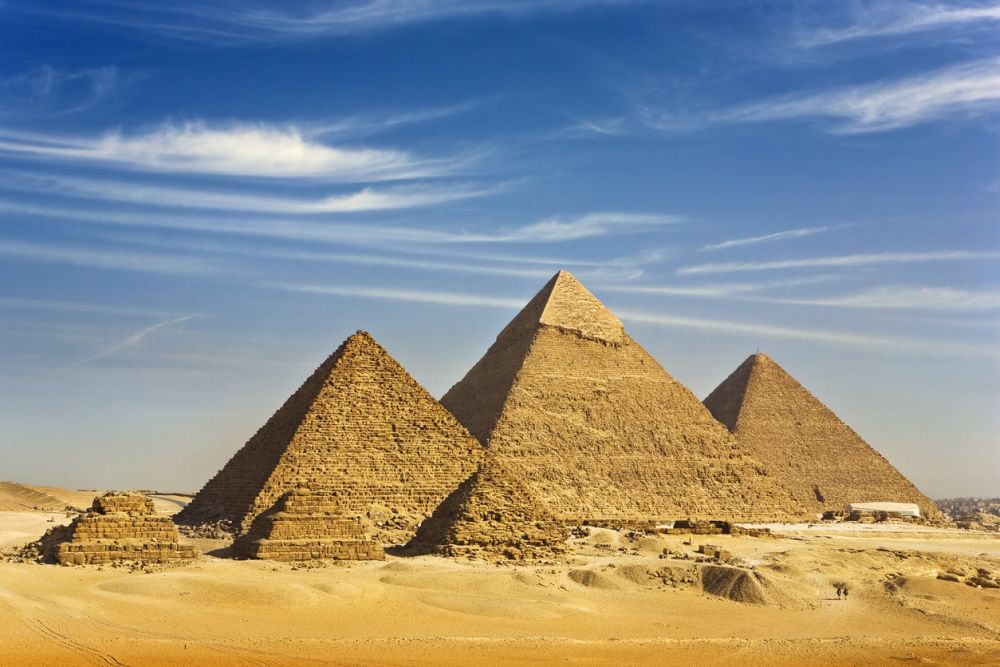
For travelers interested in the origins of civilization, few places compare with Mesopotamia and Egypt. These neighboring regions witnessed the rise of some of the world's earliest cities, governments, writing systems, and monumental architecture. Visiting them provides an opportunity to explore the foundations upon which countless later civilizations were built. Southern Iraq is home to ancient sites such as Ur and Nippur, where the Sumerians established thriving urban centers thousands of years ago. Nearby, the legacy of Sargon of Akkad reflects one of history's first great empires. While access to some archaeological locations depends on regional conditions, museums throughout Iraq continue preserving artifacts that illustrate daily life in the cradle of civilization. Egypt offers an even broader range of accessible historical experiences. The Giza Plateau, Saqqara, Luxor, Karnak, and Abu Simbel showcase extraordinary achievements in engineering, religion, and royal power. The Egyptian Museum in Cairo and the Grand Egyptian Museum provide remarkable collections that place these monuments into historical context, helping visitors better understand the civilization that flourished along the Nile for more than three millennia. Beginning a timeline journey in Egypt often makes practical sense because of its extensive tourism infrastructure. From there, expanding your travels into Mesopotamia offers a deeper appreciation for how neighboring civilizations developed alongside one another while influencing the wider ancient world.
Greek and Roman Sites You Can Still Walk Through
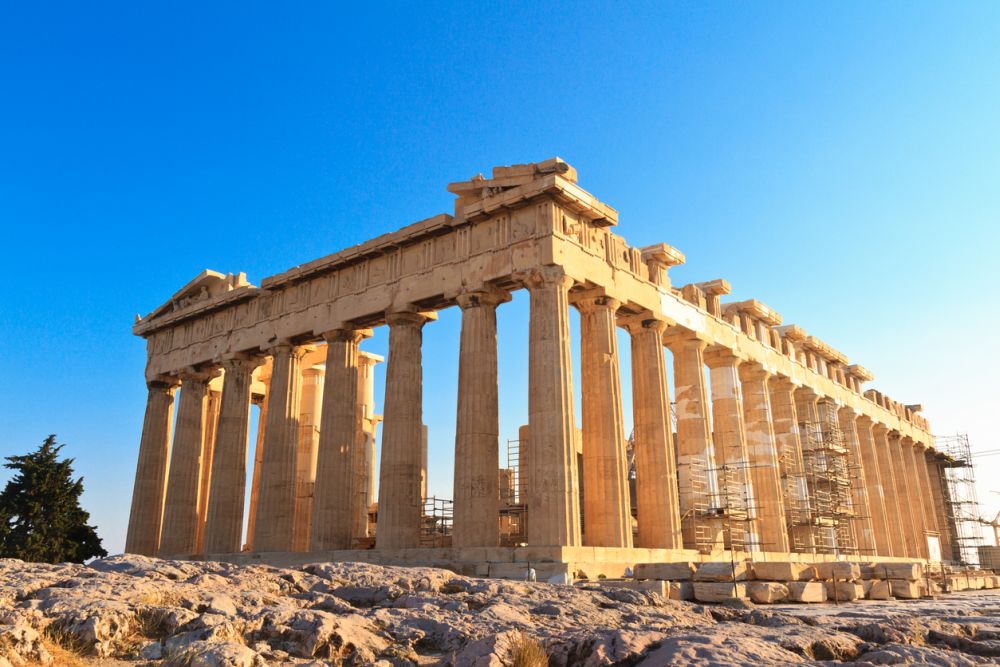
Few civilizations left behind as many accessible historical landmarks as Greece and Rome. Their temples, theaters, forums, and public spaces continue to attract millions of visitors each year, offering an unusually complete picture of life in the classical world. These destinations allow travelers to experience history not through isolated artifacts but through entire urban landscapes that still retain their original character. Athens remains one of the world's greatest historical cities. The Acropolis, Parthenon, Ancient Agora, and Odeon of Herodes Atticus reveal how philosophy, democracy, architecture, and theater shaped Western civilization. Beyond the monuments themselves, museums throughout the city help connect archaeological discoveries with the people and events that made ancient Greece so influential. Rome provides an equally remarkable journey through time. The Roman Forum, Colosseum, Palatine Hill, and Pantheon illustrate the transformation from Republic to Empire, while Ostia Antica preserves one of the ancient world's most important commercial ports. Pompeii, buried beneath volcanic ash in AD 79, offers one of archaeology's most complete snapshots of everyday Roman life, with preserved homes, shops, bathhouses, and streets that allow visitors to visualize an entire city frozen in time.
Rome, Jerusalem, and Mecca: Traveling the Birthplaces of Religion
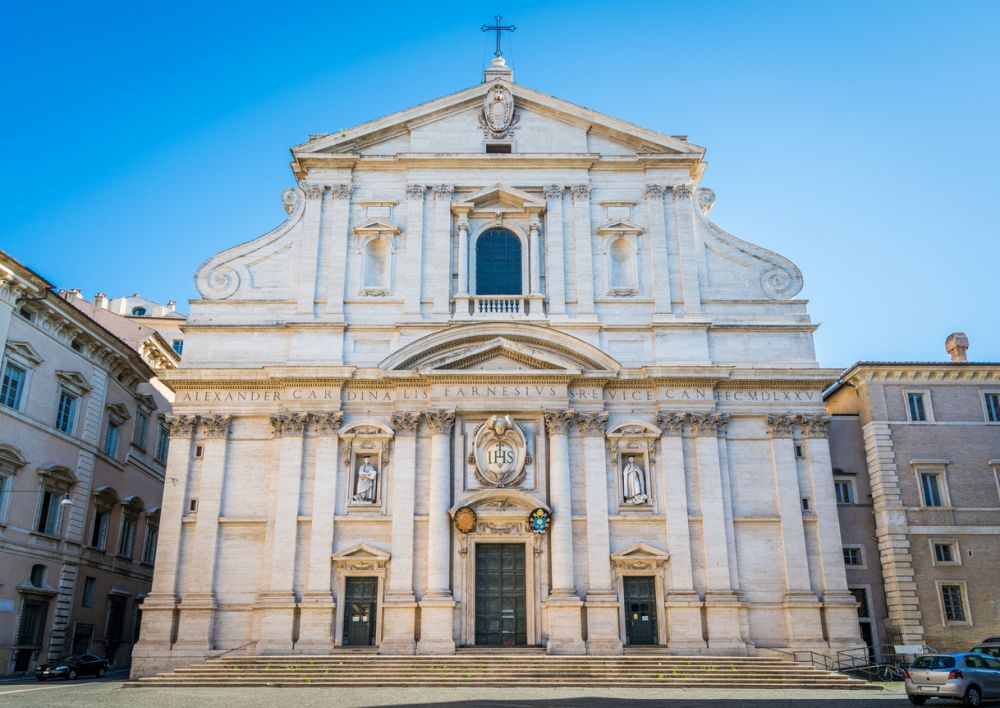
Religion has shaped civilizations as profoundly as politics or warfare, and few places illustrate that influence better than Rome, Jerusalem, and Mecca. Each city became a center for beliefs that spread across continents, influencing art, architecture, law, education, and culture for centuries. Visiting these destinations provides historical insight alongside spiritual significance. Rome's churches, basilicas, and early Christian landmarks tell the story of a faith that expanded throughout the Roman Empire after Emperor Constantine legalized Christianity in AD 313. Jerusalem preserves sacred locations connected to Judaism, Christianity, and Islam, making it one of the world's most historically layered cities. Its Old City contains centuries of architectural and religious history within remarkably compact surroundings. Mecca occupies a unique place in Islamic history as the birthplace of the Prophet Muhammad and the destination of the annual Hajj pilgrimage. While access is limited to Muslims, its historical importance remains central to understanding the development of one of the world's largest religions. Together, these three cities demonstrate how religious movements helped shape global history long after their earliest beginnings.
Medieval Battlefields and Walled Cities Worth the Journey
As Europe and the Middle East entered the medieval period, warfare, trade, and expanding kingdoms reshaped cities in ways that remain visible today. Massive stone fortifications, castles, and battlefields tell the story of an era defined by shifting alliances, religious conflicts, and technological advances in defense. Exploring these places offers more than impressive architecture—it reveals how communities adapted to centuries of political change. Carcassonne in southern France remains one of the world's best-preserved fortified cities, with its towering walls, gates, and defensive towers creating an unforgettable glimpse into medieval life. In modern Istanbul, the Theodosian Walls still demonstrate the remarkable engineering that protected Constantinople for nearly a thousand years before the Ottoman conquest of 1453. Battlefields associated with events such as the Battle of Tours and Hastings also help visitors understand turning points that altered the course of European history. Many of these sites are enhanced by museums, reconstructed fortifications, and guided tours that explain how medieval soldiers, merchants, and ordinary citizens lived within these defensive cities. Rather than simply admiring old stone walls, travelers gain a deeper appreciation for the societies that built and defended them.
European Cities Shaped by the Crusades and the Black Death
The Crusades and the Black Death transformed Europe socially, economically, and culturally, leaving visible marks on many of its most famous cities. Walking through ports such as Venice, Genoa, and Marseille reveals how maritime trade expanded during the Crusades, enriching these cities while strengthening their influence across the Mediterranean. The arrival of the Black Death between 1347 and 1351 dramatically changed urban life. Populations declined, labor shortages altered economies, and cities adapted by expanding hospitals, redesigning public spaces, and strengthening local institutions. Many churches, cemeteries, and charitable buildings that survive today reflect this difficult period of European history. Following historic pilgrimage routes such as the Camino de Santiago offers another perspective on this era. Along the journey, travelers encounter medieval towns, monasteries, and bridges that have welcomed pilgrims for centuries. These routes demonstrate how religion, commerce, and travel became deeply connected throughout medieval Europe.
Where to Travel for Reformation and Colonial History
The Reformation and the Age of Exploration introduced ideas and discoveries that reshaped the world. Traveling through destinations connected to these movements allows visitors to understand how religious reform and overseas exploration influenced politics, trade, education, and cultural exchange across multiple continents. Wittenberg, Germany, remains closely associated with Martin Luther and the Protestant Reformation after he presented his Ninety-five Theses in 1517. Visitors can tour the Castle Church, museums dedicated to the Reformation, and preserved historic neighborhoods that illustrate how the city became one of Europe's most influential religious centers. Geneva and Zurich also preserve important landmarks connected with Protestant reformers whose teachings spread throughout Europe. For colonial history, Lisbon and Seville provide excellent starting points. Belém Tower and the Monument to the Discoveries commemorate Portugal's maritime achievements, while Seville's Archive of the Indies preserves original documents from Spain's overseas empire. Together, these cities reveal how exploration connected Europe with Africa, Asia, and the Americas, fundamentally reshaping global history.
Museums That Complete the Story
Historical landmarks become even more meaningful when paired with museums that explain the people, cultures, and events behind them. Artifacts, manuscripts, sculptures, and archaeological discoveries provide valuable context that ruins alone cannot always communicate. Combining outdoor exploration with museum visits creates a more complete understanding of each historical era. The Egyptian Museum and the Grand Egyptian Museum in Cairo complement visits to the pyramids and ancient temples by displaying royal treasures, mummies, and everyday objects from ancient Egypt. In Athens, the Acropolis Museum showcases sculptures and architectural fragments recovered from the Parthenon, while Rome's Capitoline Museums preserve remarkable collections spanning the Republic and Empire. Visitors to Jerusalem, Istanbul, and Xi'an will also find museums that bring local history vividly to life. Planning museum visits alongside archaeological sites helps travelers connect historical events with the people who experienced them. The combination transforms isolated monuments into richer stories that are easier to understand and appreciate.
Top Destinations for Traveling Through World History
Once you've planned your historical timeline, choosing destinations that represent different civilizations creates a balanced journey across world history. Rome, Athens, Jerusalem, Cairo, and Xi'an remain among the most iconic locations because they preserve remarkable evidence of ancient societies that continue influencing the modern world. Expanding beyond these well-known cities offers an even broader perspective. Petra in Jordan showcases the engineering achievements of the Nabataean civilization, while Angkor Wat in Cambodia demonstrates the scale and artistry of the Khmer Empire. Machu Picchu reveals the ingenuity of the Inca civilization, and Great Zimbabwe highlights one of Africa's most significant medieval kingdoms. Including destinations from multiple continents creates a more complete understanding of world history than focusing on Europe alone. Whether you're exploring famous capitals or lesser-known archaeological sites, every destination contributes another chapter to humanity's shared story. Together, these places illustrate how different cultures developed unique traditions while influencing one another through trade, migration, religion, and conquest.
UNESCO World Heritage Sites That Bring History to Life
UNESCO World Heritage Sites offer some of the best opportunities to experience history in its original setting. These protected locations preserve monuments, archaeological landscapes, historic cities, and cultural landmarks considered significant to all humanity. For travelers, they also provide reassurance that these remarkable places are being carefully conserved for future generations. Many of the destinations featured in this guide—including the Pyramids of Giza, the Acropolis of Athens, the Historic Centre of Rome, Pompeii, Petra, Angkor, and the Old City of Jerusalem—are recognized as UNESCO World Heritage Sites. Their designation highlights not only their historical importance but also their outstanding cultural and architectural value. Using UNESCO sites as anchors for your itinerary is an excellent way to combine historical significance with practical travel planning. These locations often include visitor centers, educational exhibits, and guided tours that help transform ancient monuments into engaging learning experiences while supporting responsible tourism.
Conclusion
Traveling through history by date offers a unique way to experience the world, turning famous landmarks into connected chapters of a much larger story. Instead of viewing historical sites as isolated attractions, following a chronological timeline helps reveal how civilizations influenced one another, and how major events shaped the societies we know today. Every destination becomes more meaningful when viewed within its historical context. Modern museums, UNESCO World Heritage Sites, documentaries, films, television series, and even historical video games have made exploring the past more accessible than ever. They inspire curiosity long before a journey begins and enrich the experience once travelers arrive. Whether you're tracing the rise of ancient empires, exploring medieval cities, or following the routes of explorers and reformers, organizing your travels around history creates a deeper appreciation for both the places you visit and the remarkable stories they continue to preserve.