How Food Tourism Helps Travelers Experience Culture Beyond the Tourist Checklist
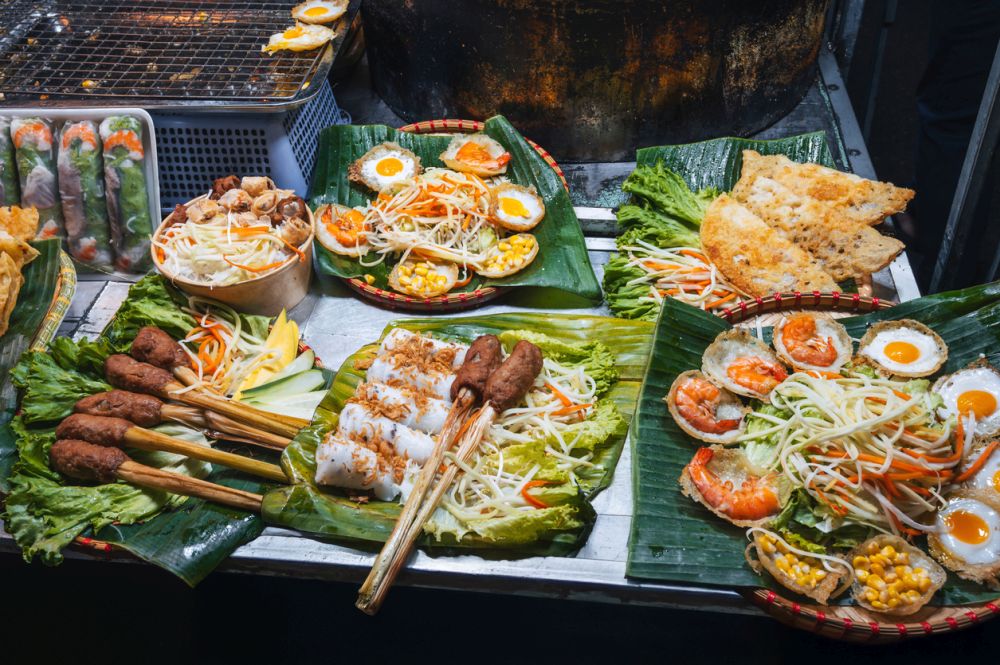
Travelers have always visited famous landmarks, museums, and historic neighborhoods, but more people are now discovering that some of the most memorable travel experiences happen around the dining table. Whether it's sampling street food in Bangkok, enjoying fresh pasta in Italy, or sharing tacos in Mexico City, local cuisine offers an immediate connection to the people and traditions. Food has become one of the most rewarding ways to experience culture beyond the usual tourist attractions. This shift has also been fueled by pop culture. Today's travelers often plan entire itineraries around restaurants, markets, cooking classes, and food festivals, proving that discovering local cuisine has become just as important as visiting famous landmarks.
What Food Tourism Actually Means
Food tourism is much more than eating good meals while traveling. It uses local cuisine as a gateway to understanding a destination's history, traditions, agriculture, and daily life. Every dish reflects generations of knowledge, regional ingredients, and cultural influences that have shaped a community over time, making food tourism as cultural travel one of the most meaningful ways to experience a destination beyond its famous landmarks. Unlike traditional sightseeing, food tourism encourages active participation. Travelers visit neighborhood markets, speak with local vendors, attend cooking classes, or dine in family-owned restaurants where recipes have been passed down for generations. These experiences reveal customs and traditions that often remain invisible during conventional tours, creating a much deeper understanding of a place. Food also serves as a universal language. Even when travelers don't speak the local language, sharing a meal creates opportunities for conversation, hospitality, and cultural exchange. A simple lunch can become an unforgettable lesson about family traditions, seasonal ingredients, or regional history, making food one of the most accessible ways to experience another culture.
Why Landmarks Alone Don't Show You a Place
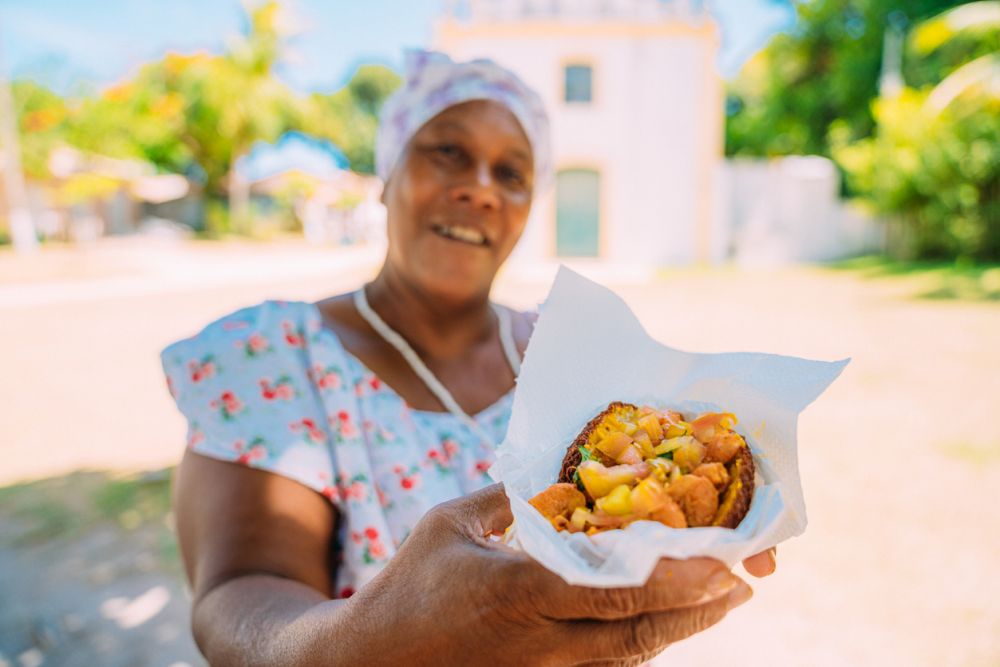
Historic landmarks are important because they preserve the stories of a destination, but they rarely capture the rhythm of everyday life. Visitors may admire famous buildings, monuments, or museums, yet still leave without understanding how local communities actually live. Culture exists not only in architecture but also in kitchens, marketplaces, cafés, and neighborhood gathering places where daily routines unfold. Food fills those missing pieces. Watching bread baked in a centuries-old bakery, observing fishermen unload the morning's catch, or visiting a market filled with seasonal produce reveals traditions that continue long after historic events have passed. These ordinary moments help travelers understand how history continues influencing modern life through ingredients, recipes, and local customs. Combining landmarks with culinary experiences creates a far richer journey. A visit to Kyoto becomes more meaningful after enjoying traditional kaiseki cuisine, while exploring New Orleans takes on new depth after tasting gumbo or beignets prepared using recipes shaped by generations of cultural exchange. Together, history and food provide a more complete picture of a destination.
Street Food, Home Kitchens, and Where Real Culture Lives
Street stalls and home kitchens cut through the polished surface of tourism and put you directly inside a culture's daily rhythm. Alley vendors and family recipes carry meaning that no museum exhibit can replicate because they preserve traditions that have been passed down through generations. Every meal offers a glimpse into the customs, values, and everyday routines that define a community. Real culture lives in these moments:
- Watching an alley vendor fold a dumpling using the same technique passed down for generations
- Sitting at a family table where recipes reflect migration, hardship, and celebration
- Eating beside locals at a street stall where the meal costs less than a postcard
- Learning a dish's story before tasting it, turning food into a living history lesson
- Discovering how everyday meals reflect seasonal ingredients, local traditions, and family heritage
These experiences don't just feed you—they show you how people actually live, work, celebrate, and remember. Long after the trip ends, those simple meals often become the memories that define the destination more vividly than any famous attraction.
How Food Shows and Streaming Inspired Culinary Travel
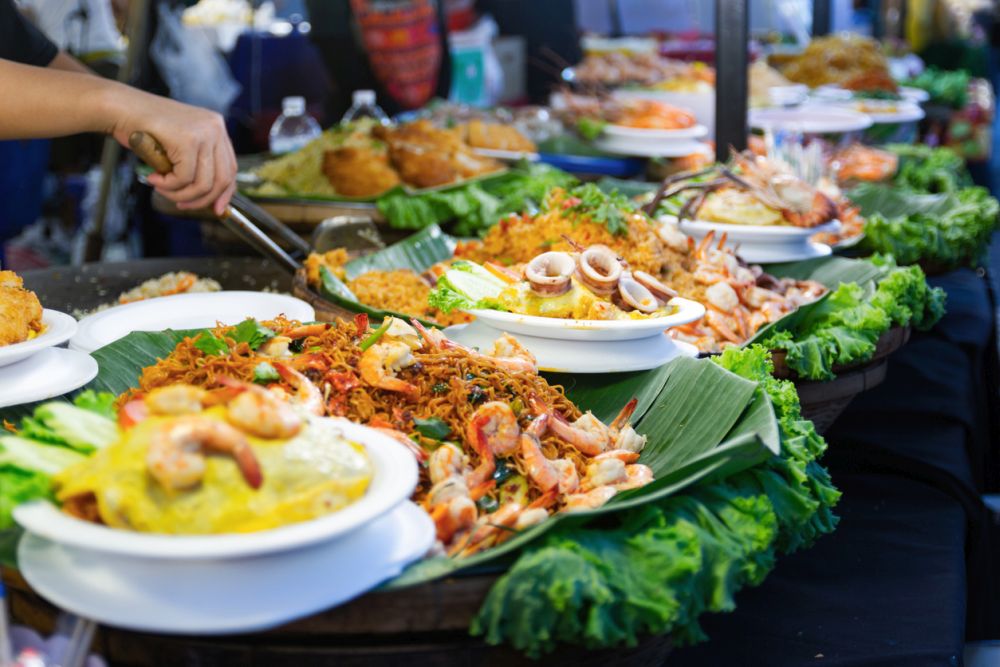
Food television has dramatically changed the way people choose travel destinations. Programs like Chef's Table, Somebody Feed Phil, and Anthony Bourdain's Parts Unknown introduced viewers to local restaurants, family kitchens, bustling markets, and regional specialties that rarely appeared in traditional travel brochures. Rather than focusing solely on famous landmarks, these shows highlighted the people behind the food and the cultural stories woven into every meal. Streaming platforms have expanded that influence even further by making culinary storytelling available to audiences around the world. A single episode featuring handmade pasta in Italy, ramen shops in Japan, or seafood markets in Portugal can inspire viewers to add those destinations to their travel wish lists. Instead of simply watching chefs prepare impressive dishes, audiences learn about local history, agriculture, migration, and traditions through food. These programs have helped transform culinary travel into a pop culture phenomenon. Many travelers now seek out restaurants, markets, and neighborhoods they first discovered on television, treating food experiences as essential parts of their itineraries. The combination of storytelling and beautiful visuals has made cuisine one of the strongest motivators for modern travel.
What Traditional Dishes Reveal About a Place's History
Every traditional dish carries a timeline. When you eat it, you're reading history through flavor, technique, and ingredient provenance—where food came from, who grew it, and why it mattered. Recipes preserve generations of knowledge, revealing how communities adapted to changing environments, trade, migration, and cultural exchange. Traditional dishes reveal:
- Trade routes—spices and grains that entered a region through commerce or conquest
- Agricultural identity—staple crops tied to specific landscapes and farming communities
- Ritual symbolism—ceremonial foods that mark harvests, mourning, celebration, or spiritual practice
- Colonial or migration influence—flavor combinations that reflect displacement, exchange, and survival
- Regional identity—local ingredients and cooking methods that distinguish one community from another
Each dish tells you what people valued, feared, celebrated, and preserved throughout history. You don't need a history book when the food itself holds the record. Eating these recipes connects you directly to the people and traditions that shaped the destination over generations.
Why Eating With Locals Creates Lasting Emotional Attachment
Sharing a meal with local residents creates connections that are difficult to replicate through any other travel experience. Sitting around a family table, accepting homemade dishes, or listening to stories about cherished recipes allows visitors to experience daily life from an insider's perspective. These moments often feel less like tourism and more like genuine cultural exchange. Food naturally encourages conversation. Local hosts frequently explain where ingredients come from, why certain dishes are served during holidays, or how recipes have changed across generations. Those personal stories give meals emotional meaning that extends far beyond taste alone. Travelers often remember the people they met just as vividly as the dishes they enjoyed. These shared experiences also create lasting memories because they engage multiple senses at once. The aromas of fresh herbs, the sounds of a busy kitchen, and the warmth of welcoming hospitality all become part of the experience. Long after returning home, recreating a familiar dish or recognizing a particular spice can instantly bring those travel memories back.
Why Social Media Turned Local Dishes Into Global Attractions
Social media has transformed local specialties into international travel inspirations almost overnight. A beautifully presented bowl of ramen, colorful Mexican street tacos, or flaky Portuguese pastéis de nata can reach millions of viewers through Instagram, TikTok, and YouTube within hours. These platforms encourage travelers to search for authentic dining experiences that previously remained known only to local communities. Food creators have become powerful ambassadors for destinations around the world. Through short videos and travel vlogs, they showcase neighborhood cafés, family-owned bakeries, bustling night markets, and hidden restaurants that traditional guidebooks might overlook. Their recommendations often encourage visitors to explore beyond major tourist districts in search of authentic local flavors and memorable experiences. This digital exposure has also helped preserve interest in regional food traditions. Small businesses, local chefs, and family restaurants can now reach global audiences without large advertising budgets. While viral popularity brings challenges such as increased tourism, it also gives communities new opportunities to celebrate and share culinary traditions with visitors eager to experience them firsthand.
How Food Tourism Shapes What a Destination Means to You
The meals you enjoy during a trip often become the memories that define the destination long after you've returned home. A city may be remembered for its fresh seafood, handmade pasta, vibrant street markets, or neighborhood bakeries just as much as its famous landmarks. Over time, those flavors become closely connected to the places where you first experienced them, making food an important part of how travelers remember the world. Food also changes the way people interpret a destination. Rather than viewing a place simply as a collection of attractions, travelers begin recognizing the traditions, local ingredients, and family recipes that have shaped everyday life for generations. A single meal can reveal agricultural practices, migration patterns, religious customs, and regional identities in a way that feels personal instead of academic. This deeper understanding often encourages travelers to return. Many people revisit destinations to explore new regional specialties, seasonal dishes, or neighborhoods they missed during previous visits. Food transforms travel from a checklist of attractions into an ongoing relationship with a place and its people.
How Food Festivals Bring Travelers and Locals Together
Food festivals have become some of the world's most popular cultural events because they combine cuisine, entertainment, music, and community into one shared celebration. Events such as Oktoberfest in Germany, the Taste of Chicago, Japan's regional food festivals, and countless night markets across Asia attract visitors who want to experience local traditions alongside the people who celebrate them every year. These gatherings showcase far more than food. Local chefs demonstrate traditional cooking techniques, farmers introduce seasonal ingredients, musicians perform throughout the day, and artisans display regional crafts. Visitors experience a destination through multiple senses while learning how food connects with history, celebrations, and community identity. Many festivals have also become part of modern pop culture thanks to television coverage, travel documentaries, and social media. Photos of colorful dishes, cooking competitions, and lively festival crowds inspire travelers to plan future visits, while local communities gain opportunities to preserve traditions and share them with an international audience.
How to Find Food Experiences Worth Your Time
Not every food experience on a trip delivers equal cultural value—some are curated for tourists, others pull you into genuine local life. To find what's worth your time, look for experiences that connect food to people, place, and practice.
- Seek seasonal menus — they reflect what's locally available and culturally relevant right now.
- Watch for pop-up collaborations between visiting chefs and local producers, which often signal authentic community engagement.
- Ask locals where they eat, not where they send visitors.
- Choose participatory formats — cooking classes, market tours, or farm visits — over passive restaurant meals.
The best experiences teach you something. They connect you to a community's history, rhythm, and identity rather than simply feeding you.
Conclusion
Food tourism has grown far beyond simply finding good restaurants. Through streaming shows, social media, travel creators, and local cultural traditions, cuisine has become one of the most meaningful ways people experience destinations around the world. Every shared meal, cooking class, market visit, or neighborhood café offers travelers an opportunity to connect with history, community, and everyday life in ways that traditional sightseeing rarely can. As travelers continue searching for more authentic experiences, food will remain at the center of cultural exploration. Whether inspired by a favorite travel series, a viral food video, or a recommendation from a local resident, discovering a destination through its cuisine creates memories that last long after the journey ends. In today's travel landscape, sharing a meal has become one of the most memorable—and most popular—ways to experience both culture and modern pop culture.
Related posts